A digital dystopia coming to you soon
At vero eos et accusamus
Lorem ipsum dolor sit amet, consectetur adipiscing elit, sed do eiusmod tempor incididunt ut labore et dolore magna aliqua. Ut enim ad minim veniam, quis nostrud exercitation ullamco laboris nisi ut aliquip ex ea commodo consequat. Duis aute irure dolor in reprehenderit in voluptate velit esse cillum dolore eu fugiat nulla pariatur. Excepteur sint occaecat cupidatat non proident, sunt in culpa qui officia deserunt mollit anim id est laborum.
Australia passes the Digital Duty of Care
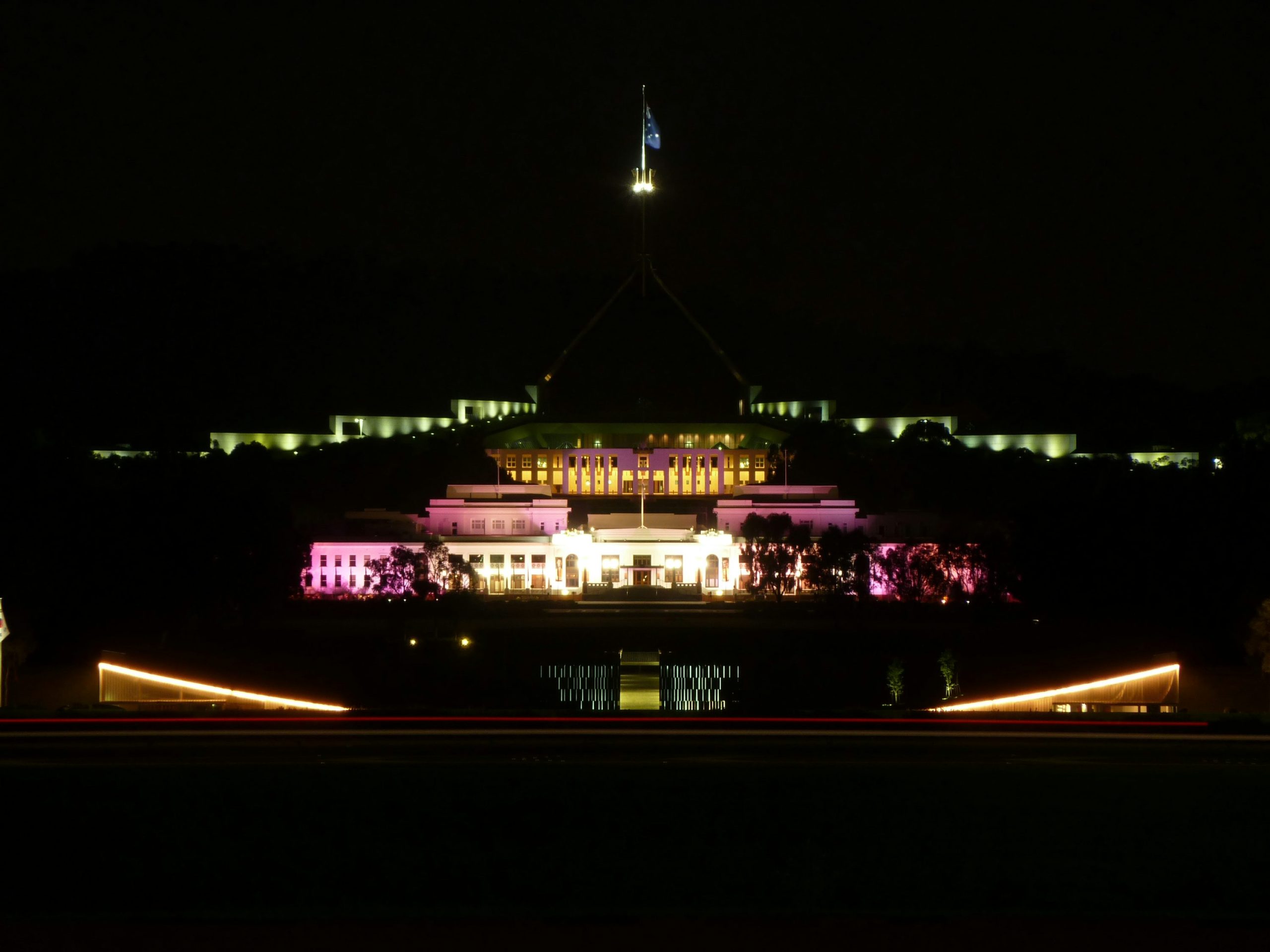
On Wednesday, November 25th, Australia’s Senate passed the Digital Duty of Care, a sweeping censorship and surveillance bill that puts the country at the vanguard of Western digital controls. Pushed by Labor and passed by the Greens, the entire enterprise was based on falsehoods from the start.
The first was that the bill’s purpose was to “fix our feeds” by providing users more control over what they see on social media (build your own bubble!). However, many platforms already offer these controls, including the ability to see only content from those you follow. If the bill had stuck purely to this issue it might have been a good thing, but this was just the Trojan horse.
The second was that the bill came from the “bottom up” whereas in fact the lead campaigner, Teach Us Consent, had received almost $8m AUD in government funding. The Labor party lined up a host of other government contractors NGOs to support the bill. For those NGOs not on the government payroll, there was mining magnate Twiggy Forrest, who funded nearly a dozen NGOs that campaigned for the bill.
Also critical was the McKinnon Foundation, which bankrolled and coordinated NGOs that previously supported privacy and free speech, but in this instance went all in on censorship and surveillance. Labor Foreign Minister Penny Wong’s former chief of staff led the McKinnon campaign. Cosy.
It is impossible to understate just how important NGO-astroturfing was to the passage of the bill: it convinced progressives to support a mass surveillance project, against their usual instincts. The bill also included age-gating requirements, further eroding our privacy. Progressives partly opposed the teen social media bans on that basis. The same concern should have been present here.
In a clearly political move, the bill claimed to be combating the “manosphere”, an undefinable set of online influencers that serve as a stand-in for right-wing populism. Both Labor and the Greens made it clear this wasn’t about targeting anything illegal, but ideas and opinions they don’t like.
Greens’ leader David Shoebridge stated that the bill was needed to stop right-wing politics, stating, “we need Digital Duty of Care so that those messages aren’t amplified and they don’t become the content that kids are digesting when they flip open their phone and wonder what’s happening in the world.”
Or Labor Senator Ellie Whiteaker, who opined that trad wife content was something that “women just shouldn’t be exposed to online in 2026.” In fact, the bill explicitly states that it is designed to stop “hostile attitudes to women and gender equality”, which apparently includes baking cupcakes.
Even worse, the bill allows the eSafety Commissioner to unleash an unlimited number of AI-generated sock puppets across social media to spy on users, Australian or otherwise. That story was originally broken by me and Michael Nayna , which led to fierce opposition and the sock puppets’ ability to generate content using AI and interact with users being rolled back. They also added reporting requirements on how they are used, though only in vague terms. Alas, the mass, warrantless surveillance component survived the rollbacks.
Added to this, the eSafety Commissioner will become an “enforcement body” that can directly share this information with security and intelligence agencies.
All of this is particularly hard to swallow for those who remember the Greens as the party of civil liberties. Now their woke obsessions make them the party of state surveillance and digital authoritarianism. In their minds, they are giving broligarchic bullies a punch in the nose. What they’ve actually done is empower the security state and push us closer to an internet with Chinese characteristics. It’s hard to know if they read the bill and don’t care, because seeing Musk upset for two minutes is worth the price of tearing up our civil liberties.
Combined with Australia’s world first teen social media ban, a massive increase in civil and criminal hate speech law (see our recent report), the Digital Duty of Care sets Australia firmly on the path of Germany and the UK, where the police routinely raid homes and arrest people for online expression. We’re not there yet, but the architecture is increasingly in place.
And they aren’t done with us yet; the Senate committee reviewing the bill floated amending it at a later date to include the full suite of identity-based grievances. And like the teen social media bans, expect this project to be exported around the world within months.
However none of this will kill the right-populist bogeyman they hope it will. All censorship does is create more backlash; the Digital Duty of Care will only fuel it further. Until progressives learn to win arguments rather than hobble their opponents this cycle will only continue.