Report: Regulating Hate: Speech Law and Dissent in Australia
At vero eos et accusamus
Lorem ipsum dolor sit amet, consectetur adipiscing elit, sed do eiusmod tempor incididunt ut labore et dolore magna aliqua. Ut enim ad minim veniam, quis nostrud exercitation ullamco laboris nisi ut aliquip ex ea commodo consequat. Duis aute irure dolor in reprehenderit in voluptate velit esse cillum dolore eu fugiat nulla pariatur. Excepteur sint occaecat cupidatat non proident, sunt in culpa qui officia deserunt mollit anim id est laborum.
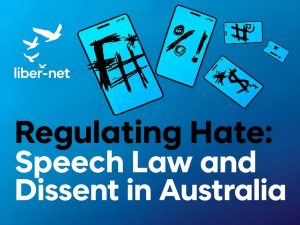
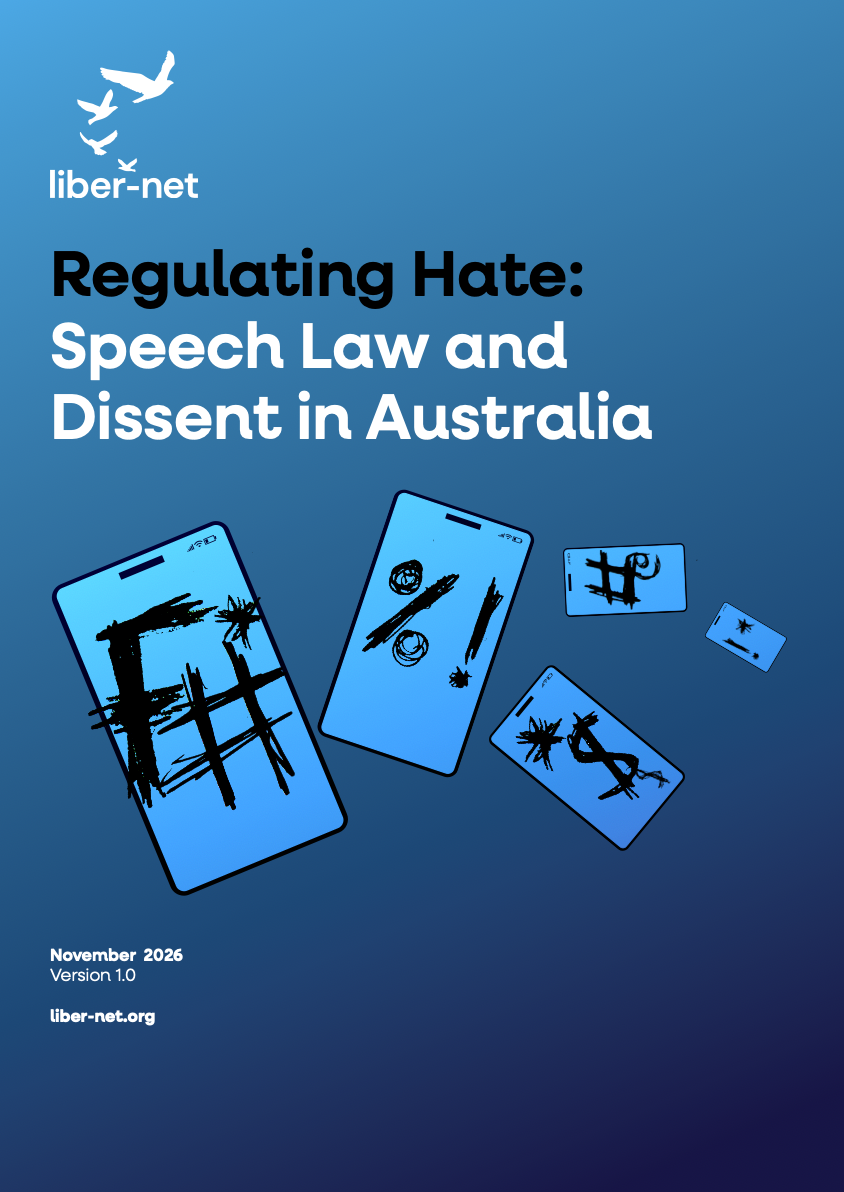
liber-net is proud to release Regulating Hate: Speech Law and Dissent in Australia, a review of hate speech law covering the Commonwealth and all eight states and territories, with a particular focus on online expression. The report traces the development of each jurisdiction’s civil and criminal laws and how courts and tribunals have applied them to digital speech, and the ways they have or could be weaponised by bad actors for censorship. It forms part of a larger liber-net project to map the state of digital censorship and free speech in Australia.
 About the report
In March 2026, Queensland became the first Australian jurisdiction to criminalise political slogans. Displaying “from the river to the sea” or “globalise the intifada” in public, in a way that might reasonably be expected to make someone feel menaced, harassed or offended, now carries up to two years in prison. Within weeks, police had warned a Brisbane artist that works on his own website could break the law. In response, he took three of them down.
Nearly all of Australia’s new hate speech laws apply online, and this reach is growing. The ban on slogans is the most visible example of a wider creep.
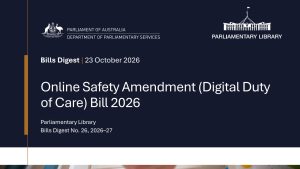
Australian police are not yet conducting mass home raids and arrests for tweets, as authorities frequently do in the UK or Germany. But the rapidly expanding criminal framework and flimsy speech protections (Australia has no bill or charter of rights guaranteeing free speech) make such a scenario increasingly possible, especially when combined with growing digital speech and surveillance controls under the eSafety Commission, including the currently proposed “Digital Duty of Care”.
Australia has no single legal definition of “hate speech”; the closest concept is “vilification,” which for decades was handled mostly through civil anti-discrimination law. Identity groups have radically expanded civil hate speech law in recent years, however, even more concerning has been the rapid growth of criminal frameworks in just the past few years. These laws include hate symbol bans, like the one described above, as well as speech offences that require only “recklessness” rather than actual intent. Nearly all of these laws apply online.
Some limits on speech are uncontroversial, such as planning a crime and inciting violence. And, luckily, the trend is not uniform across the country. In 2025, the Northern Territory raised its civil threshold, so merely offensive or insulting conduct is no longer unlawful under Territory law. Yet we are sceptical that Australia’s expanding legal framework draws a principled line between genuine threats or incitement and controversial, offensive or even merely politically unpopular speech.
This poses a particular risk for Australia. Unlike other comparable democracies, the country has no federal bill of rights; any implied freedom of political communication recognised by the High Court limits government power rather than granting a personal right to free speech. Legal attempts to silence dissent beyond immediate threats of violence and targeted harassment will achieve the opposite of their intent, increasing frustration and social fragmentation. Indeed, the hurried way these laws have been passed across the country compounds the risk. We hope this report helps journalists, lawyers, policymakers and advocates understand a fragmented and fast-moving body of law, and defend free expression in Australia and beyond.
Download
A PDF of the full report is available for download here.
Information in this report is current as of November 2026.
Our work is licensed under Creative Commons Attribution-ShareAlike (CC BY-SA) 4.0.
Related liber-net work on Australia
- Letter to the Australian Parliament Regarding “Combatting Antisemitism, Hate and Extremism Bill 2026”
- liber-net Submission to the Senate Environment and Communications Legislation Committee on the Online Safety Amendment (Digital Duty of Care) Bill 2026
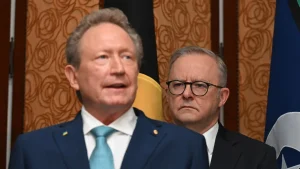
- Investigation reveals the billionaire backing Australia’s censorship push