The Millions Behind Australia’s ‘Bottom-Up’ Censorship Bill
At vero eos et accusamus
Lorem ipsum dolor sit amet, consectetur adipiscing elit, sed do eiusmod tempor incididunt ut labore et dolore magna aliqua. Ut enim ad minim veniam, quis nostrud exercitation ullamco laboris nisi ut aliquip ex ea commodo consequat. Duis aute irure dolor in reprehenderit in voluptate velit esse cillum dolore eu fugiat nulla pariatur. Excepteur sint occaecat cupidatat non proident, sunt in culpa qui officia deserunt mollit anim id est laborum.
Government funded NGOs and flawed studies front for the Labor Party’s new digital controls push
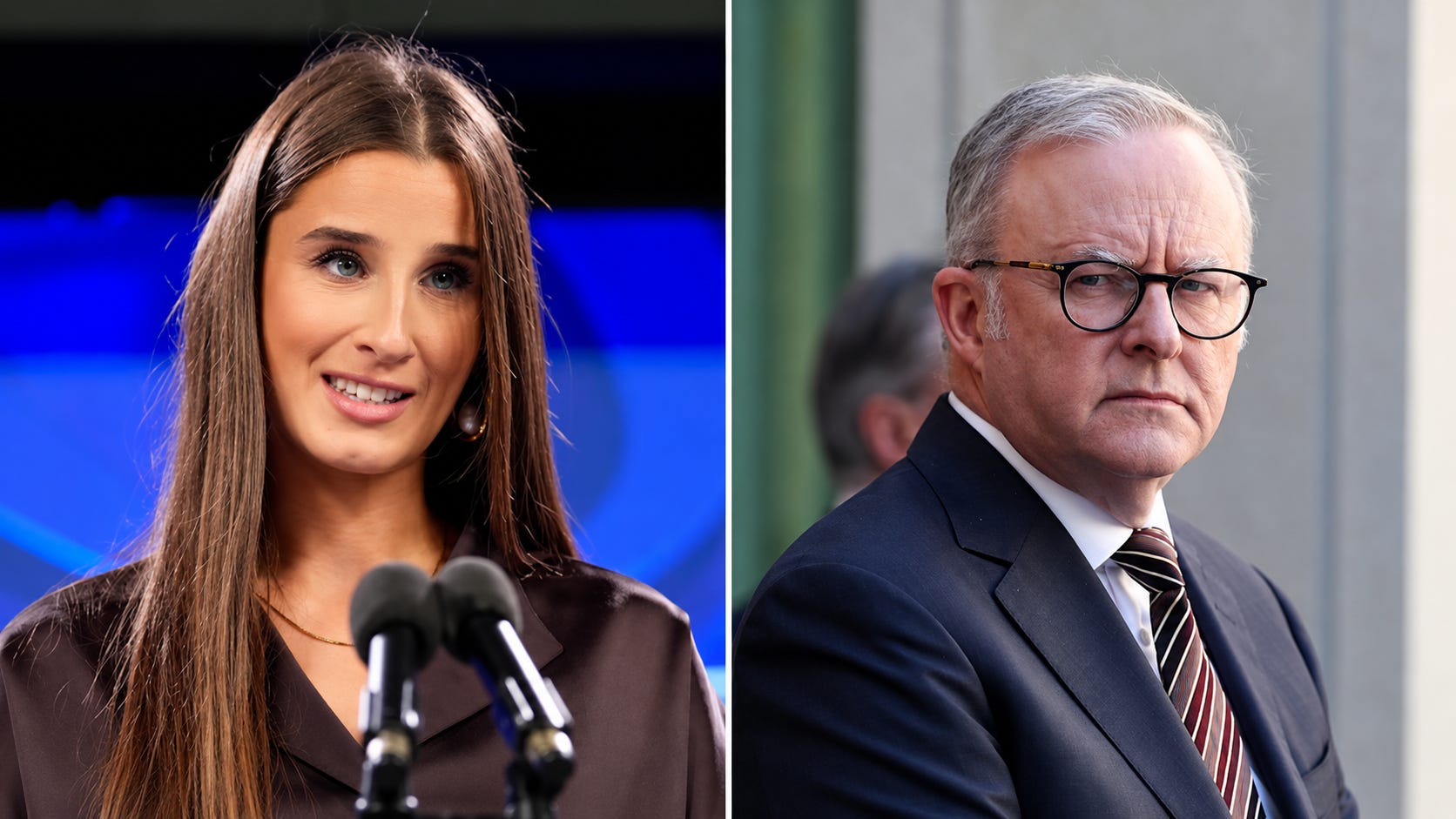
When Australian Prime Minister Anthony Albanese unveiled his proposed Digital Duty of Care Bill, he stood before bereaved parents and online safety advocates and credited them with driving the reforms. He declared the new legislation was “change from the bottom-up”.
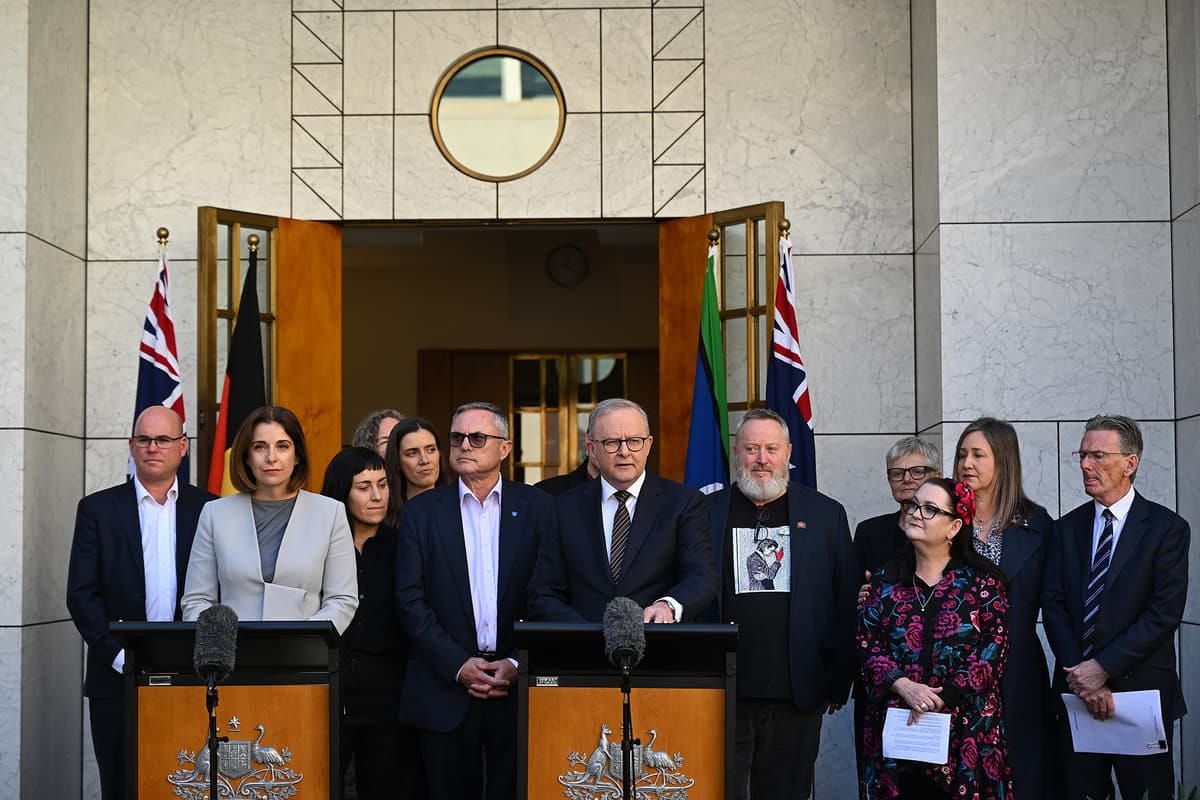
Among the groups present was Teach Us Consent, which has occupied much Australian media coverage for the Bill’s supposed cornerstone reform, algorithmic choice.
Teach Us Consent wasted no time claiming victory. “We did it,” they announced, circulating a celebratory video portraying the proposed reforms as the hard-won achievement of a campaign led by its CEO, Chanel Contos.
That victory lap may have been premature, as news begins circulating that the government may be backing down on key parts of the bill.
But as we dug into the evidence, three inconvenient questions emerged. Who was funding these supposedly “bottom-up” campaigners? Where had the reform really come from? And what was the Government actually putting into law?
Government grassroots
Since its founding in 2021, Teach Us Consent has undergone an extraordinary financial transformation, fuelled by its close relationship with the Albanese Government. In 2023, the organisation reported just $14,643 of income. The following year, the Albanese Government awarded it a nearly $3.6 million grant. In June 2026, it secured another $4.4 million.
Documents released under freedom-of-information law show the government awarded the first grant through a closed, non-competitive process, with no other organisation invited to apply.
The government cited Teach Us Consent’s “expertise in advocacy” and social media reach among the reasons for selecting it. Under the agreement, the organisation had to follow an approved plan and submit its content strategy to the Department of Social Services for approval. Teach Us Consent was effectively a government contractor getting special treatment, not an independent non-profit. In the 2024/25 financial year, almost 90% of Teach Us Consent’s funding came from the Australian taxpayer.
Teach Us Consent’s claim to victory was about as thin as Albanese’s story of “change from the bottom up”.
Where credit is due
Not only that, it seems “credit” for the legislation belongs more to Reset.Tech Australia, the local arm of a much larger digital advocacy non-profit established by PayPal billionaire Pierre Omidyar foundation.
Reset.Tech has been gunning for preventative regulation of social media platforms and their algorithms since at least 2022. In May of 2024, Communications Minister Michelle Rowland amended the Basic Online Safety Expectations under the Online Safety Act to encourage algorithmic opt-outs and alternative feeds, without making them mandatory.
In November, independent MP Zoe Daniel took it a step further, introducing her own Digital Duty of Care Bill, which would require platforms to let users switch off engagement-based recommender systems. In her speech to Parliament, Daniel named Reset.Tech among the organisations that had joined her in Canberra to back the reforms. Reset.Tech later confirmed that her Bill drew on its policy proposals.
Teach Us Consent came late to the party in December 2025, launching Fix Our Feeds with a more demanding proposal for personalised algorithmic feeds to be switched off by default and users instead forced to see a feed of everyone they follow – I guess that way you can stay in your bubble. Freedom-of-information documents reveal that in March 2026, Teach Us Consent joined Reset.Tech Australia and Digital Rights Watch to lobby the government privately for the default-off model.
The Government rejected that approach in favour of what Communications Minister Anika Wells called a “neutral choice” model. Instead of switching algorithms off by default, platforms would show a pop-up prompting users to choose. A much more empowering option, in fact.
Flawed studies
More important, however, was the moral urgency Contos gave the Digital Duty of Care by linking algorithmic feeds to her broader campaign against sexual violence.
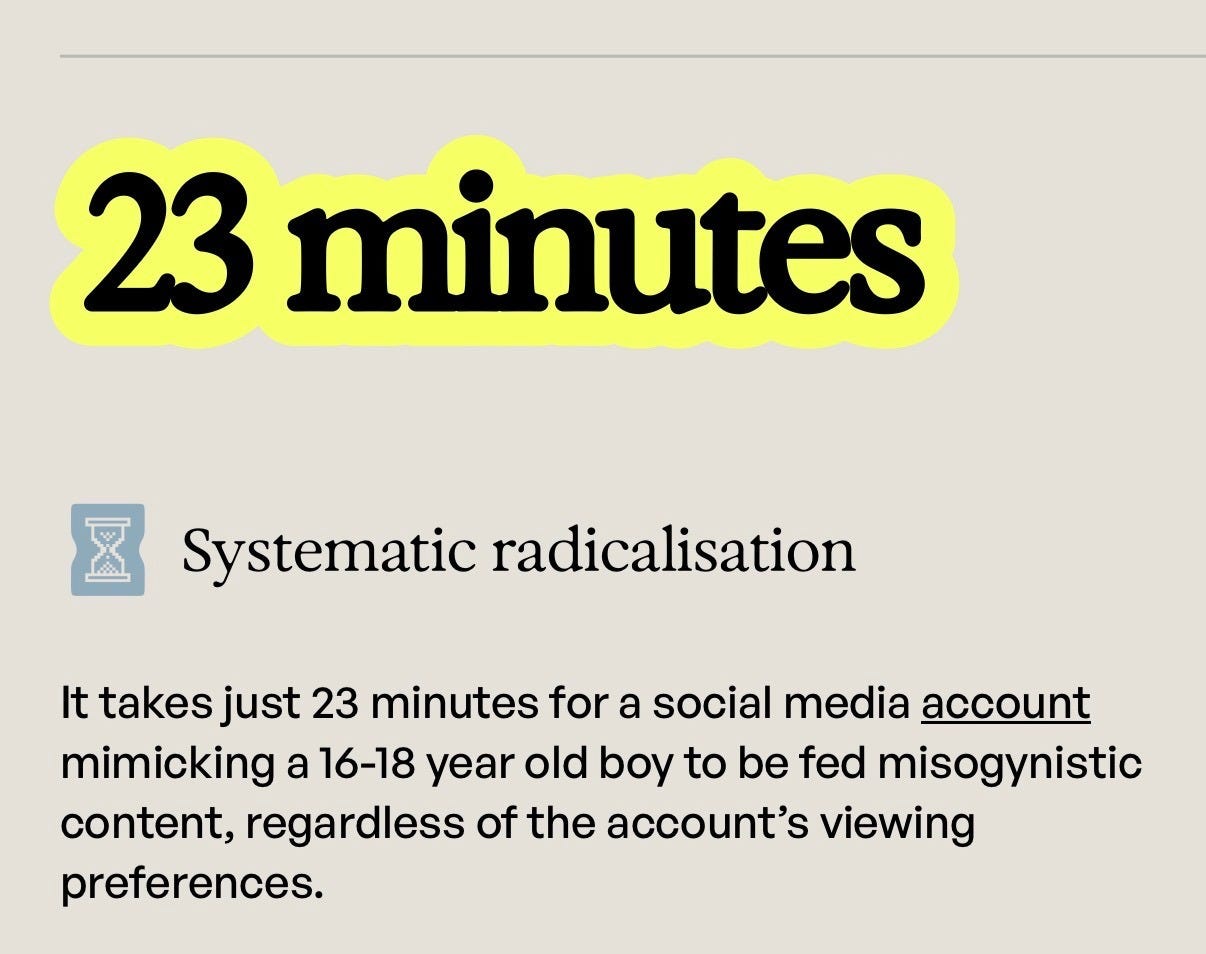
But the evidence for the causal effect doesn’t stack up when you review the main evidence she cites: Dublin City University’s Recommending Toxicity study. The campaign used it to argue that social media algorithms were feeding boys and young men misogynistic content regardless of their viewing preferences, and that this was contributing to violence against women.
The study built on earlier research by Reset.Tech Australia and its authors thanked the advocacy organisation for advice and guidance on the study’s design. It involved no actual teenagers and recorded no evidence of attitudinal change.
The researchers gathered data using just ten sock puppet accounts designed to mimic teenage boys and young men. Rather than passively collecting data on what the algorithms recommended, their method involved deliberately watching and liking content they considered problematic, effectively training the algorithms to serve more extreme content. They explicitly searched for “Andrew Tate”. The results of two control accounts that did not perform such searches were not outlined.
The researchers also grouped overt misogyny with any opposition to feminism and “rigid” masculine ideals involving discipline, wealth and emotional stoicism. Based on the research, Teach Us Consent pushed the “23 minutes” meme throughout, as did Australian government ministers.
Choice as a cover for censorship
But centring feed choice in the campaign itself was a ruse. The media release that accompanied the Bill’s launch was titled My Feed, My Way rather than Digital Duty of Care, suggesting that algorithmic choice sits at the heart of the legislation.
But when we searched for the concrete policy in the exposure draft, we couldn’t find it. What we did find was a vague provision giving the Minister broad powers to compel platforms to introduce unspecified “user empowerment tools” at a later date. The only explicit reference is fourteen words buried in subsection 26(6).
“by providing control over the kind of content that is recommended for the user.”
Digital Duty of Care Exposure Draft
That’s it. Fourteen vague words in a Bill containing more than fourteen thousand. Most major social media platforms already offer some capacity to opt out of personalised feeds. But even if they didn’t, they would still be compliant on feed choice if the Bill passed tomorrow.
The Digital Duty of Care’s real substance lies in the other 99 per cent of the document, which gives the Minister and the eSafety Commissioner sweeping powers to create a Minority Report-style system of preventing “harm” before it occurs. The model is called “safety by design”. Yet the Bill definition of “harm” is incredibly broad. Thankfully, the Minister’s ability to unilaterally decide what “harm” is appears to be getting walked back.
The bill also significantly expands eSafety’s investigative and surveillance powers, allowing the regulator to operate covert “sock puppet” accounts and generate content using AI, a story we brought to public attention two weeks ago.
Since its launch, backlash over the Bill’s fine print has mounted, and Albanese has repeatedly fallen back on his “It’s not about censorship. It’s about giving people control” defence. But for anyone who has actually read the Bill, he’s started to look like a toddler playing hide-and-seek, convinced a lampshade makes him invisible.
With any luck, the bill will be ground into dust before the year is out, but there is still some way to go.